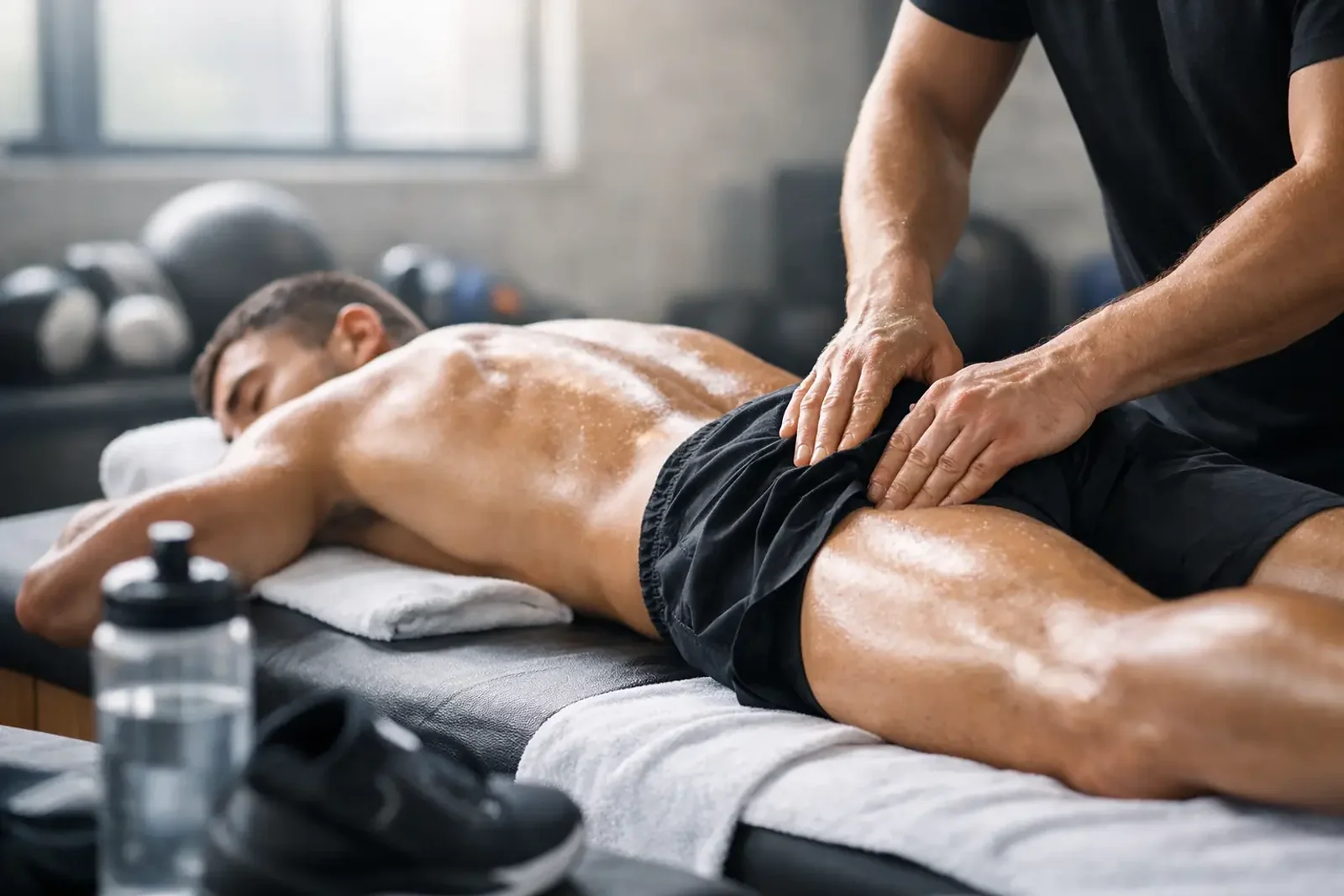
That heavy, tight feeling the day after a hard run, gym session or match is not always a sign that you need to simply push through. Sometimes your body is telling you it needs help to settle, restore movement and recover properly. Understanding how sports massage aids recovery can make the difference between training consistently and getting stuck in a cycle of soreness, stiffness and niggling injury.
Sports massage is often thought of as a treat for athletes, but in practice it is useful for a much wider group of people. Recreational runners, busy parents training around work, gym-goers, cyclists, golfers and anyone managing muscle tension from an active lifestyle can benefit. The key is not just the massage itself, but using it at the right time and for the right reason.
How sports massage aids recovery after exercise
After exercise, especially if it has been intense, new or repetitive, muscles can feel sore, overloaded and less willing to move freely. Sports massage aims to reduce that sense of tightness, improve comfort and help you return to normal movement more quickly. It does this through a combination of mechanical effects on the tissues and neurological effects on the nervous system.
In plain English, skilled hands-on treatment can help calm protective muscle guarding, improve local circulation and reduce the feeling of stiffness. That does not mean sports massage magically flushes away all waste products or repairs damaged tissue overnight. Recovery is still driven by sleep, nutrition, graded training and sensible loading. What massage can do is support that process by making movement easier and reducing the discomfort that often gets in the way.
Many people notice the biggest benefit in the 24 to 72 hours after hard activity. Legs may feel less heavy, turning and bending can feel easier, and the body often feels more ready for the next training session. For some, that means better performance. For others, it simply means being able to get through the working week without hobbling up the stairs.
Why it helps some people more than others
Recovery is never one-size-fits-all. Two people can do the same session and have very different responses. Training age, sleep, stress, previous injury, hydration and overall workload all play a part.
This is why a personalised approach matters. If someone comes in with post-race calf tightness, the treatment may be quite different from someone dealing with shoulder tension from swimming or upper back discomfort after long hours at a desk and evening gym sessions. The goal is not to apply a generic routine. It is to assess what is driving the problem and choose treatment that fits.
There are also times when deeper treatment is not the best option. If tissues are highly irritated, bruised or acutely inflamed, a gentler approach may be more appropriate. In some cases, sports massage is only one part of the answer and works best alongside physiotherapy, exercise rehabilitation or further assessment.
The main ways sports massage supports recovery
One of the biggest benefits is pain relief. Sore muscles often feel tighter than they truly are because the nervous system is on high alert. Sports massage can help reduce that protective response, which often leads to a noticeable drop in pain and tension. When discomfort settles, people tend to move more normally, and that alone can support better recovery.
It also helps restore range of movement. After heavy training or repetitive activity, muscles and surrounding soft tissues can feel restricted. A runner may struggle to extend through the hip, or a tennis player may notice reduced shoulder rotation. Sports massage can help ease these restrictions so movement feels smoother and less effortful.
Another important factor is body awareness. Hands-on treatment often highlights where you are holding tension, overworking certain areas or compensating for weakness elsewhere. That information is useful. It can guide better stretching, more targeted strengthening and smarter training decisions.
There is also a recovery benefit that should not be overlooked - switching your system out of constant stress mode. Many active adults are not only training hard, they are also juggling work, commuting, childcare and poor sleep. In that setting, recovery is often limited by overall fatigue rather than exercise alone. Sports massage can help the body relax, which for many people is a valuable part of the recovery picture.
How sports massage aids recovery from minor injury
Sports massage is not only used after normal training. It can also play a useful role in recovering from certain minor soft tissue issues, particularly when muscles are overloaded, tense or compensating around an injury. For example, if you have changed your gait because of ankle pain, the calf and thigh may start doing more than their fair share. Targeted treatment can reduce secondary tightness and help you move more comfortably.
That said, massage is not a substitute for diagnosis. If pain is sharp, persistent, worsening or stopping you from normal activity, expert assessment comes first. Tendon pain, ligament injuries, nerve irritation and joint problems may all need a different plan. Sometimes sports massage helps, but only as part of a broader treatment strategy.
This is where specialist input matters. A good clinician will tell you when massage is appropriate, when it needs modifying and when something more than massage is required. That clarity can save time, frustration and repeated flare-ups.
What happens during treatment
A proper sports massage appointment should not feel rushed or generic. It begins with a conversation about your symptoms, activity levels, recent training and goals. If you are preparing for an event, recovering from one, or managing an ongoing issue, that changes the treatment approach.
The massage itself may involve different pressures and techniques depending on the area being treated and how irritable the tissues are. Deeper pressure is not always better. Effective treatment is about choosing the right input, not simply going as hard as possible. Most people benefit from treatment that feels purposeful and effective without leaving them battered afterwards.
You may feel some tenderness during treatment, especially in overloaded areas, but you should still feel able to relax and communicate. Afterwards, it is common to feel looser, lighter and more comfortable, though some mild post-treatment soreness can happen. That usually settles within a day or two.
When to book a sports massage
Timing matters. Some people benefit from regular maintenance treatment during heavier training blocks. Others only need massage around specific events or when early warning signs appear, such as persistent tightness, reduced mobility or unusual soreness.
If you are training for a race, lifting more heavily than usual, returning after time off or noticing recurring tension in the same area, sports massage may help keep small issues from becoming bigger ones. It can also be useful after periods of inactivity, when tissues feel stiff and movement patterns are less efficient.
The best results usually come when sports massage is part of a wider recovery plan. That may include load management, mobility work, strengthening, pacing advice and a realistic understanding of how much your body can absorb each week.
When sports massage may not be enough
There is a limit to what massage can do on its own. If the root problem is poor load tolerance, weak tissue capacity, a biomechanical issue or an undiagnosed injury, hands-on treatment may give temporary relief without fixing the cause.
That does not mean massage has failed. It simply means recovery often needs more than one tool. If your pain keeps returning, your performance is dropping or you are changing the way you move to avoid symptoms, it is worth having a more detailed assessment. At Atlas Physiotherapy Clinic, sports massage is often used alongside expert assessment and personalised treatment plans so patients get both symptom relief and a clear route forward.
A sensible way to think about recovery
Sports massage works best when expectations are realistic. It can ease soreness, improve movement, reduce muscle tension and help you feel more ready to train or function day to day. What it cannot do is replace rest, undo months of overload in one session or solve every type of pain.
Still, for the right person at the right time, it can be a very effective part of recovery. If your body feels heavy, tight or slow to bounce back, that is not something you have to ignore. A well-timed sports massage, combined with the right advice, can help you recover with more confidence and get back to doing what matters to you.
Written by
Connor Jayes
Chartered physiotherapist · HCPC PH110273 · Atlas Physiotherapy Clinic, Faversham