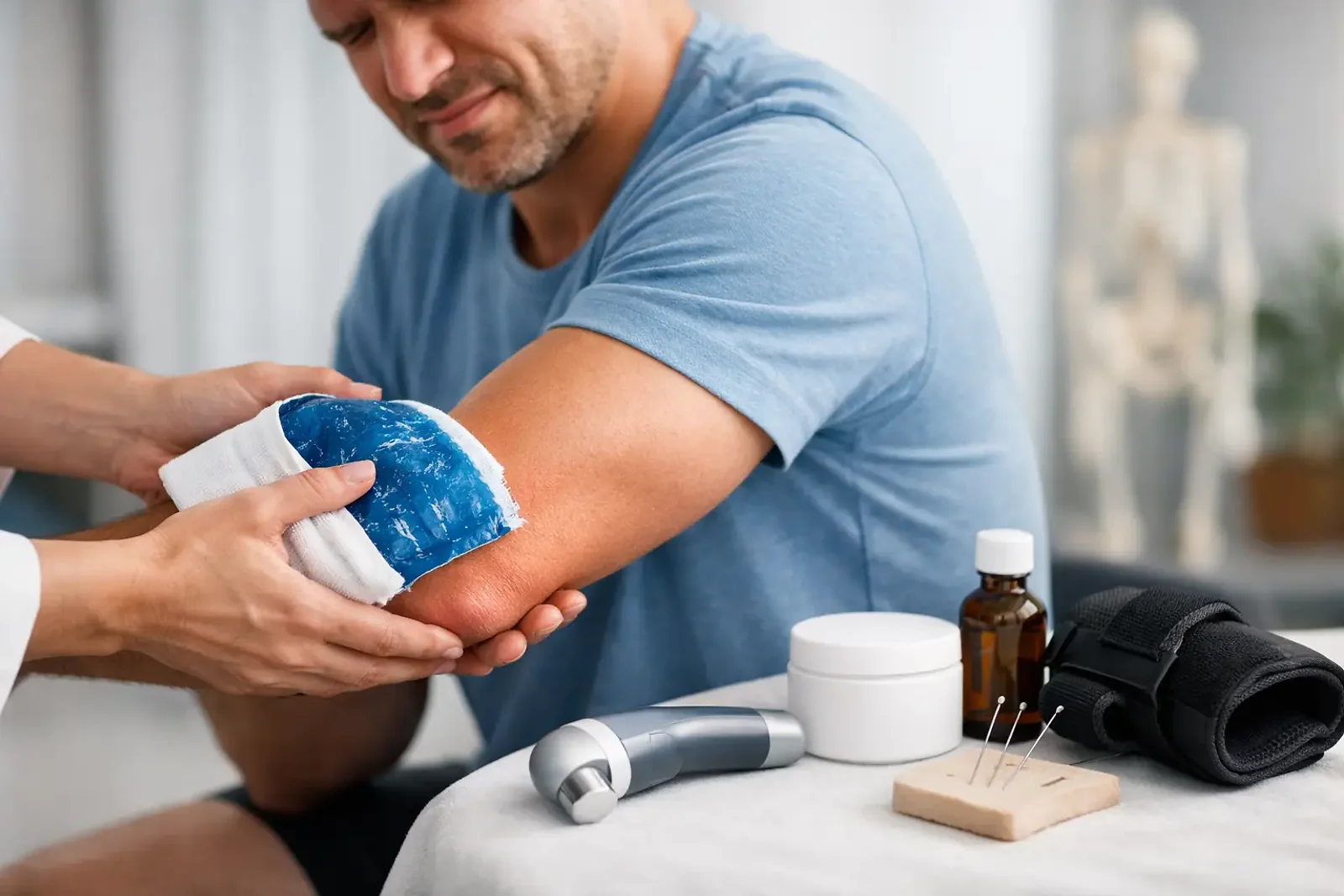
Tennis elbow often starts as an annoyance you try to work around - a twinge when lifting the kettle, gripping the steering wheel or picking up a bag. Then it lingers. For many people searching for the best treatments for tennis elbow, the real question is not just how to ease pain, but how to stop it coming back.
Despite the name, tennis elbow is not limited to tennis players. It commonly affects people who do repetitive gripping, lifting, typing, DIY, gardening or manual work. The pain is usually felt around the outside of the elbow, and it can spread into the forearm. Simple jobs can become frustratingly sore, especially when you straighten the wrist, lift with the palm facing down, or squeeze something tightly.
Tennis elbow is usually caused by irritation or overload in the tendons that attach to the outside of the elbow. In many cases, it builds up gradually rather than appearing after one clear injury. That is why the best results tend to come from proper assessment and a treatment plan that matches the stage of the problem, your daily demands and how long symptoms have been going on.
What are the best treatments for tennis elbow?
The best treatments for tennis elbow are usually not about one miracle fix. They involve a combination of reducing aggravation, improving tendon capacity and choosing the right treatment at the right time. What works best for one person may not be enough for another.
In the early stages, the priority is often to calm things down. That may mean temporarily modifying painful tasks rather than stopping all activity completely. Rest can help, but complete rest for too long is rarely the answer. Tendons generally do better with the right amount of loading, introduced gradually and progressed properly.
Pain relief methods can help you stay functional while the tendon settles. Ice may reduce discomfort after aggravating tasks, and some people benefit from short-term use of anti-inflammatory medication if it is appropriate for them. Bracing can also help in some cases, although it should not be treated as a long-term solution. If a strap reduces pain enough to let you use the arm more comfortably, it may have a place for a period of time, but it does not address the underlying cause on its own.
Exercise-based rehabilitation
For most people, progressive exercise is one of the most effective treatments. This usually begins with gentle isometric work or controlled wrist extensor exercises and then builds towards heavier loading as symptoms allow. The goal is not simply to stretch the area and hope for the best. It is to improve the tendon's tolerance so everyday activities, work tasks and sport become manageable again.
This is where generic advice can fall short. If exercises are too easy, recovery may stall. If they are too aggressive, the elbow can flare up and confidence drops. A personalised programme takes into account pain levels, grip weakness, work demands and how irritable the condition is.
Hands-on physiotherapy and movement assessment
Treatment should not stop at the elbow. The wrist, shoulder, neck and upper back can all influence how the arm is loaded. A detailed assessment often reveals contributing factors such as poor lifting mechanics, reduced shoulder control or excessive strain through the forearm during repetitive tasks.
Hands-on treatment can help reduce pain and improve movement, especially when combined with exercise. Soft tissue work, joint mobilisation and practical advice around activity modification can make day-to-day tasks easier while the tendon is being rehabilitated. The key point is that hands-on treatment tends to work best as part of a broader plan, not as a stand-alone fix.
Best treatments for tennis elbow when symptoms persist
If tennis elbow has been present for several months, or if basic self-management has not helped, it is worth looking beyond rest and stretching. Persistent symptoms often need a more targeted approach.
Shockwave therapy can be a useful option for stubborn tendon pain. It is often considered when symptoms have become persistent and are not responding well enough to exercise alone. The aim is to stimulate healing and reduce pain in a tendon that has become chronically irritated. It is not suitable for every case, but when used for the right patient and combined with rehabilitation, it can be very effective.
Acupuncture may also help some people by reducing pain and muscle tension around the elbow and forearm. It is not usually the whole answer, but it can create a useful window where exercises and normal movement feel more manageable.
In some situations, injection therapy may be discussed. This depends on the clinical picture, symptom duration and whether other options have been tried. Injections can have a role, but they are not automatically the best first-line treatment. Some may offer short-term pain relief without improving long-term tendon health unless they are followed by a structured rehab plan. That is why expert assessment matters - the right treatment is the one that matches the tissue involved and your overall recovery goals.
When imaging or referral may be needed
Most cases of tennis elbow do not need a scan straight away. Diagnosis is often made clinically through a detailed history and physical assessment. However, if symptoms are severe, unusual, not improving as expected, or pointing to another source such as the neck or a nerve issue, further investigation may be appropriate.
Referral can also be useful where pain is affecting work, sleep or grip strength significantly, or when treatment has plateaued despite good compliance. A specialist musculoskeletal clinic can guide that decision and, when needed, work alongside GPs, consultants or insurers to keep care joined up.
What usually makes tennis elbow worse?
A common reason people struggle to settle tennis elbow is that the tendon keeps getting irritated faster than it can recover. Repetitive gripping, carrying with the arm straight, lifting awkwardly, heavy keyboard or mouse use, racquet sports, decorating and gardening are frequent culprits.
That does not mean you must avoid everything. It usually means adjusting how much you do, how often you do it and how you load the arm while it is recovering. Small changes can make a big difference. Using two hands to lift, reducing sustained gripping, improving desk setup or spacing out repetitive jobs often helps more than people expect.
There is also a timing issue. Many people wait until the elbow is very painful before seeking help. By that point, they may have changed the way they use the arm, reduced strength and started aggravating other areas. Early treatment tends to be simpler. Longer-standing pain is still very treatable, but it usually needs more patience and a clearer plan.
How long does recovery take?
This depends on how long symptoms have been present, how irritated the tendon is and whether aggravating activities can be modified. Mild cases may settle within a matter of weeks. Persistent cases can take several months, particularly if work or sport continues to place high demands on the arm.
What matters most is seeing the right trend. Pain should gradually become less frequent, grip should improve and flare-ups should be shorter and easier to settle. Recovery is rarely a perfectly straight line. A busy week at work or an overenthusiastic return to activity can cause a temporary setback. That does not mean treatment has failed. It usually means the loading needs adjusting.
A good treatment plan should give you realistic expectations from the start. You should understand what is being treated, why certain symptoms are happening and what progress should look like over time. That clarity often reduces anxiety as much as the treatment itself.
When to get expert help
If elbow pain has been hanging around for more than a few weeks, keeps returning, or is stopping you from doing normal daily tasks, an expert assessment is worthwhile. The same applies if you have tried resting it, wearing a support or looking up exercises online without much success.
At Atlas Physiotherapy Clinic, treatment for tennis elbow is built around expert assessment and personalised treatment plans rather than a one-size-fits-all approach. That means understanding not just where it hurts, but why it is being overloaded and what needs to change to get you back to normal activity with confidence.
The best outcomes usually come from acting before the problem becomes deeply established. If your elbow is affecting how you work, train or manage everyday jobs, getting a clear diagnosis and a practical plan can be the turning point. A pain free you starts here - and often, it starts with finally treating the right problem in the right way.
Written by
Connor Jayes
Chartered physiotherapist · HCPC PH110273 · Atlas Physiotherapy Clinic, Faversham